
Knowledge Base
Everything you need to know about flex contracts, battery storage, grid congestion and the energy transition in the Netherlands.
Featured topics
Quickly find the right articles, grouped by theme.
Flex Contracts & Grid
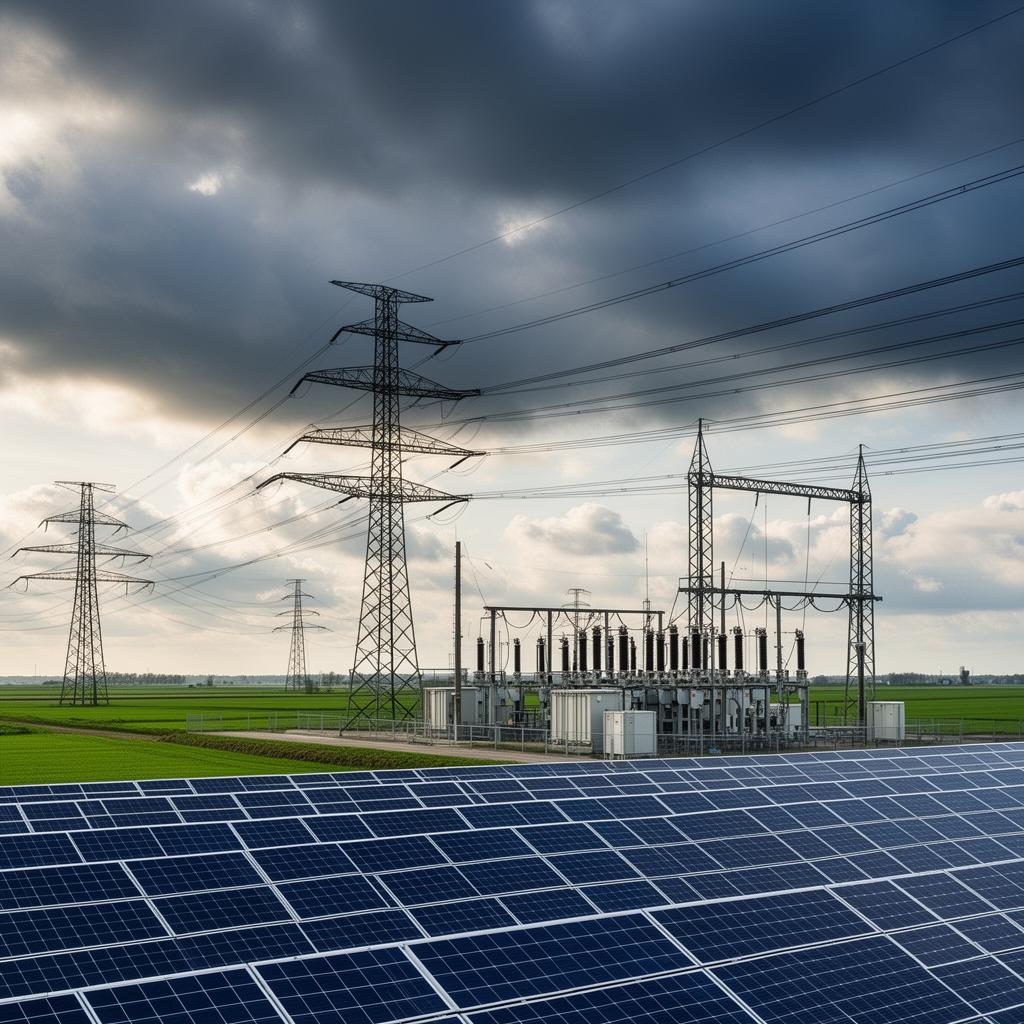
Flex Contracts in the Netherlands: A Complete Overview
Everything you need to know about flex contracts for grid congestion in the Netherlands, CBC, CSC, bidding obligations and congestion-mitigating measures.
Read moreCBC (Capacity Limitation Contract) Explained
What is a CBC? How the capacity limitation contract works, when it's beneficial, and what to watch out for.
Read moreCSC (Congestion Steering Contract) Explained
What is a CSC? How congestion steering contracts work, what a CSP does, and how to earn from grid flexibility.
Read moreBidding Obligation & Redispatch Explained
What is a bidding obligation? How redispatch works on GOPACS, when it applies, and how it can generate additional revenue for flex assets.
Read moreCongestion-Mitigating Measures: Skip the Grid Queue
How congestion-mitigating measures work, how they give you priority on the grid connection waiting list, and what you need to qualify.
Read moreWhat is a Congestion Service Provider (CSP)?
What CSPs do, when you need one, and how to choose the right congestion service provider for your flex contract.
Read moreGOPACS: The Dutch Congestion Management Platform
What is GOPACS? How the shared platform of TenneT and regional grid operators manages congestion through market-based flexibility.
Read moreConsumption vs Feed-in Congestion: What's the Difference?
Understanding the two types of grid congestion, consumption congestion and feed-in congestion, and which flex contracts apply to each.
Read moreChoosing the Right Flex Asset: Battery, Generator, or Hybrid?
How to choose between a battery, generator, or hybrid system for your flex contract. Buy, rent, or lease? Skoon's Flex Scan helps you decide.
Read moreGrid Connection Waiting List in the Netherlands
Why grid connection waiting lists in the Netherlands extend to 2036+, and what you can do to get connected sooner using flex contracts and congestion-mitigating measures.
Read moreBattery Storage & Technology
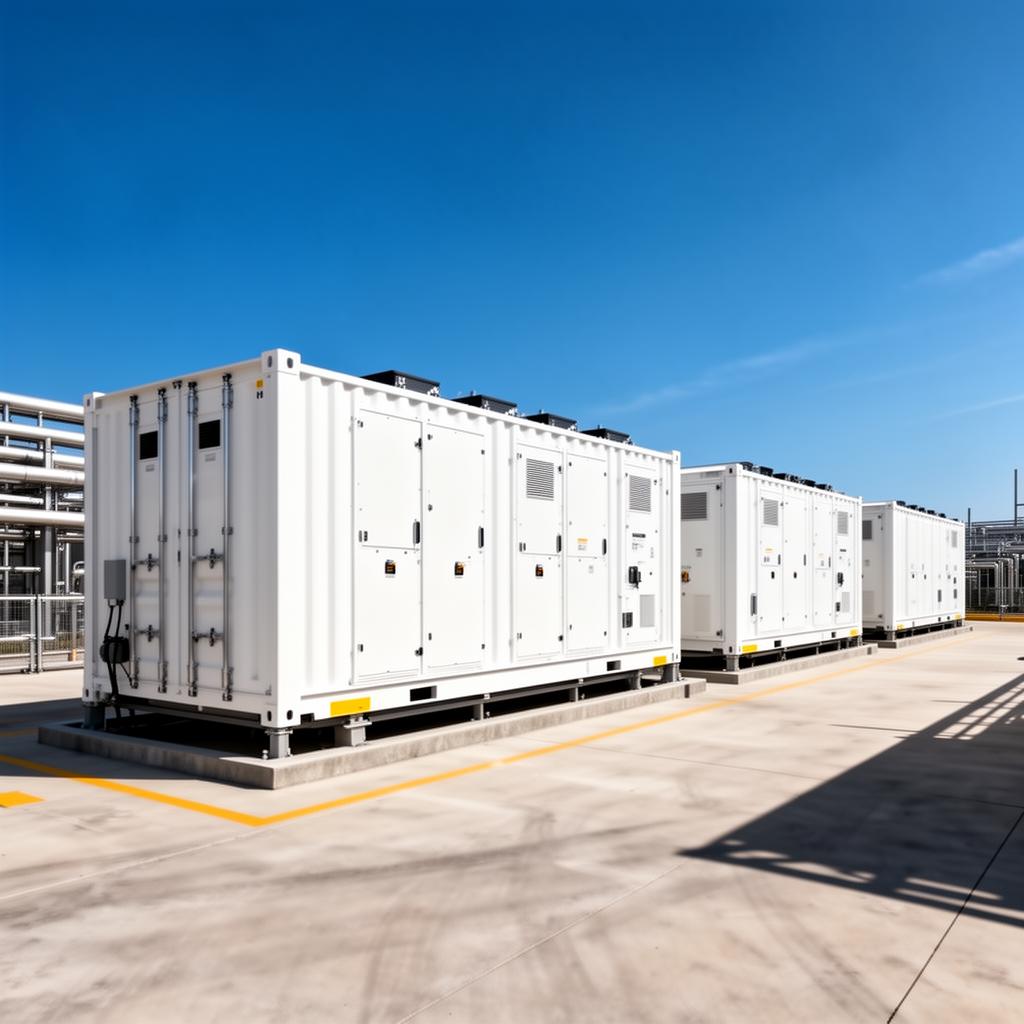
Battery Storage Explained: How It Works for Grid Flexibility
How battery energy storage systems (BESS) work, their role in grid congestion management, and how businesses can deploy them for flex contracts.
Read moreRenting a Mobile Battery: When and Why
When renting a mobile battery makes sense for grid flexibility, construction, events, and temporary power needs. Costs, sizes, and deployment options.
Read moreBattery vs Generator: Which Flex Asset Do You Need?
Comparing batteries and generators for grid flexibility: emissions, response time, cost, and when to use a hybrid combination.
Read moreHydrogen Fuel Cells for Grid Flexibility
How hydrogen fuel cells work as flex assets for grid congestion, their advantages over batteries and generators, and current deployment status.
Read moreGrid Congestion
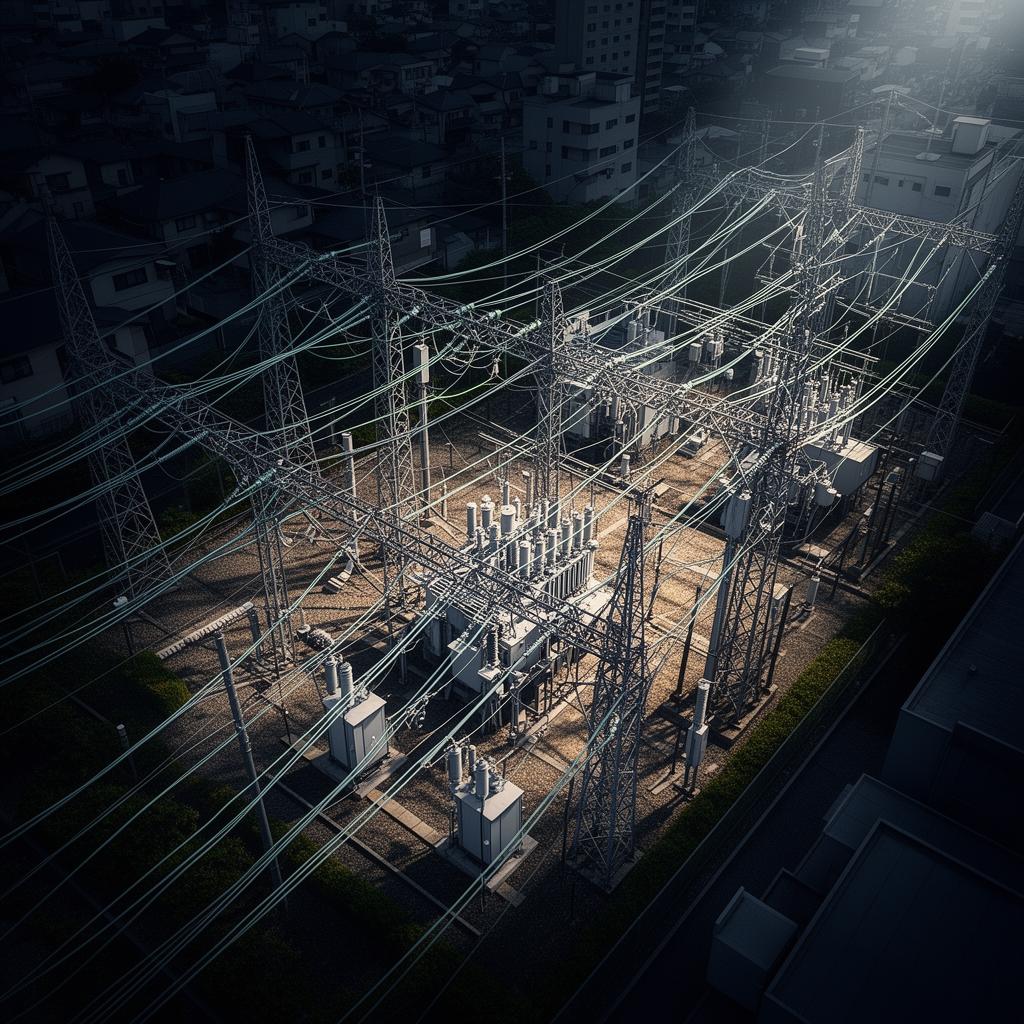
Grid Congestion in the Netherlands: The Complete Picture
Overview of grid congestion in the Netherlands: causes, impact, affected regions, and solutions for businesses and grid operators.
Read moreSolutions for Grid Congestion: From Flex Contracts to Smart Grids
An overview of proven solutions for grid congestion in the Netherlands: flexibility contracts, battery storage, demand response, and grid-aware planning.
Read moreGrid Operators in the Netherlands: Liander, Enexis, Stedin & More
Overview of Dutch grid operators (DSOs): who they are, what regions they serve, and how they handle grid congestion and flex contracts.
Read moreTransport Scarcity (Transportschaarste) Explained
What is transport scarcity? The official term for grid congestion in the Netherlands, its legal definition, and implications for businesses.
Read moreIndustries & Use Cases
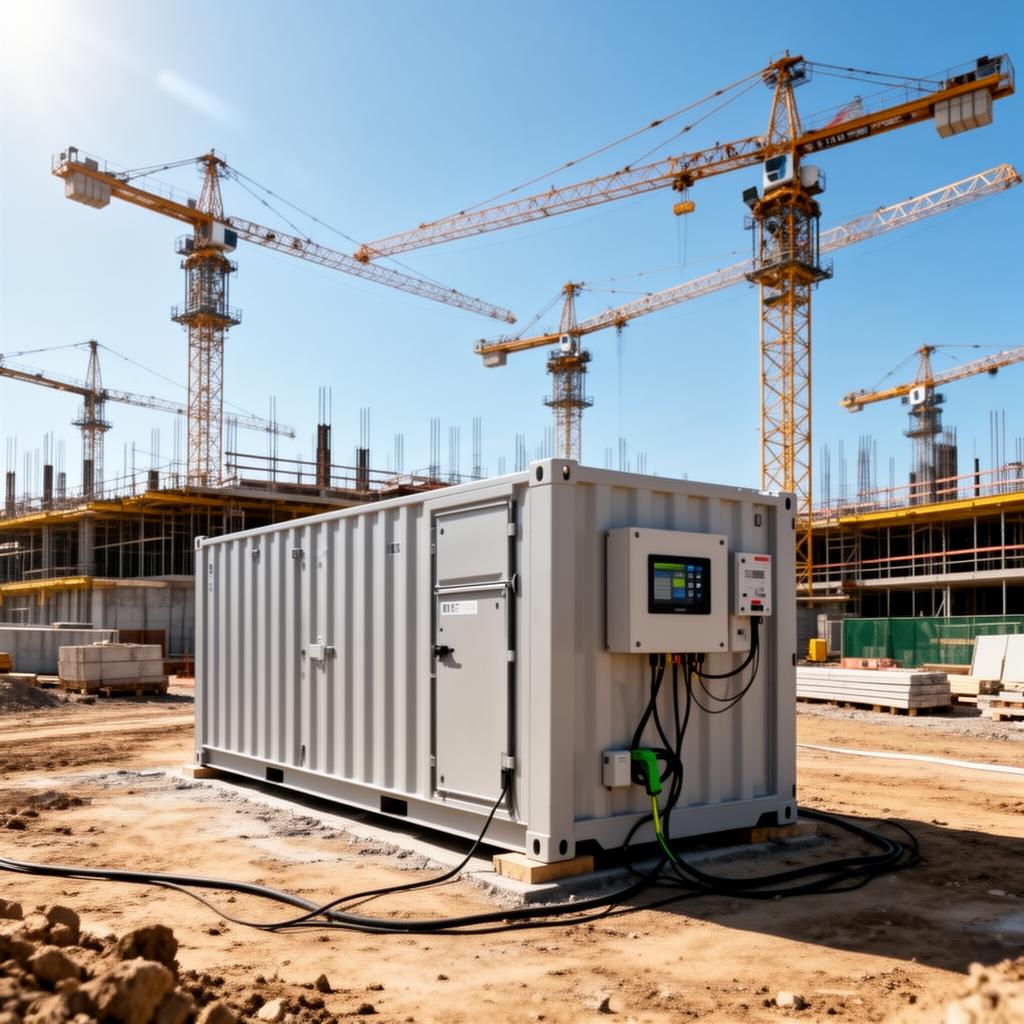
Clean Energy for Construction Sites
How construction sites can use battery storage and hybrid energy systems to avoid grid delays, meet emission requirements, and reduce costs.
Read moreClean Energy for Events and Festivals
How events and festivals can switch to battery power for silent, emission-free operations. Rental options, sizing, and cost comparisons.
Read moreEnergy Solutions for Datacenters
How datacenters can navigate grid congestion, secure power connections faster, and use battery storage for UPS and flex contract revenue.
Read moreMicrogrids Explained: Local Energy Independence
What microgrids are, how they reduce grid dependency, and why they're becoming essential in areas with grid congestion.
Read moreFlex Scan: Calculate Your Flex Asset Business Case
What is Skoon's Flex Scan? How it models multiple flex asset scenarios, calculates ROI, and helps you choose the right technology for your flex contract.
Read moreMarket & Regulation
The New Energy Act 2026: What Changes for Your Grid Connection
Key changes in the Dutch Energy Act starting January 2026: new connection priorities, flex requirements, and implications for municipalities, real estate, and businesses.
Read moreBalancing Markets (FCR & aFRR): Extra Revenue for Flex Assets
How FCR and aFRR balancing markets work, how flex assets can participate, and how revenue stacking improves your battery business case.
Read moreBRP (Balance Responsible Party): What It Is and Why It Matters
A BRP is responsible for keeping electricity supply and demand in balance for its portfolio. Learn the role, obligations, and how BRPs interact with BSPs and CSPs.
Read moreBSP (Balancing Service Provider): How Flex Assets Help TenneT
A BSP delivers balancing reserves (FCR, aFRR, mFRR) to TenneT. Learn what's required, how batteries qualify, and how BSPs differ from BRPs and CSPs.
Read moreEIA (Energy Investment Allowance): Tax Benefit for Batteries and Solar in 2026
How the Dutch EIA tax deduction works in 2026, what qualifies (solar, batteries, smart energy systems), and how to combine it with Flex-e, SDE++, ISDE and bank financing.
Read more