
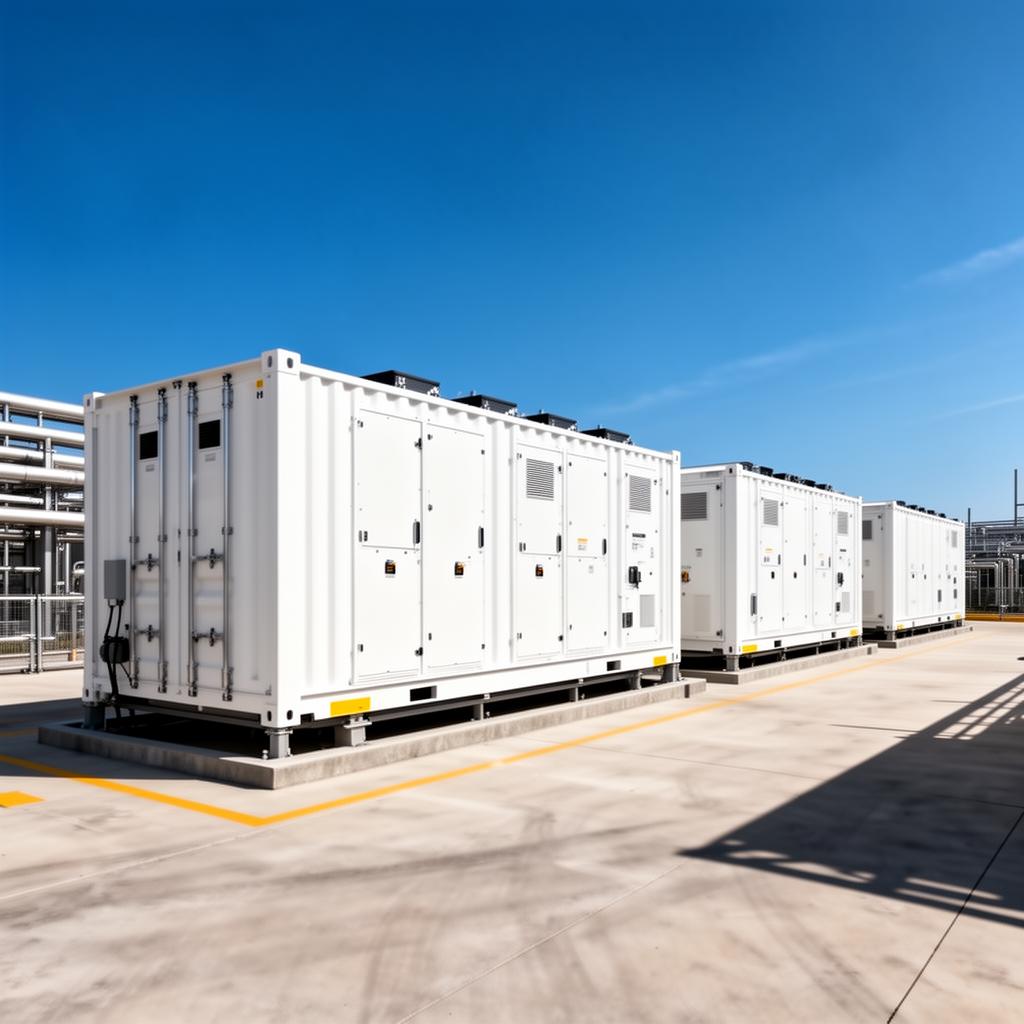
What is battery storage?
Battery Energy Storage Systems (BESS) store electrical energy in rechargeable batteries for later use. In the context of grid flexibility, they act as buffers that can absorb excess energy and release it when demand peaks, making them ideal for flex contracts and congestion-mitigating measures.
How batteries solve grid congestion
Batteries address both consumption and feed-in congestion:
- Peak shaving: Charge during off-peak hours, discharge during peaks to reduce grid load
- Feed-in management: Absorb excess solar or wind production when the grid can't handle it
- Flex delivery: Respond to GOPACS call-offs within seconds via a CSP
Revenue stacking
A battery deployed for a CSC can simultaneously participate in:
- Congestion management (CSC/CBC compensation)
- Balancing markets (FCR, aFRR)
- Intraday energy trading
- Self-consumption optimization
This revenue stacking significantly improves the business case for battery investments.
Sizing your battery
Typical configurations for flex contracts start at 1MW / 4MWh (a 4-hour battery). The right size depends on your congestion zone, contract type, and consumption profile. Skoon's Flex Scan models multiple scenarios to find the optimal configuration.
Looking for the full picture? See our overview of battery solutions for grid congestion and how they fit into broader congestion management strategies.
Get in touch to explore battery storage for your situation.