
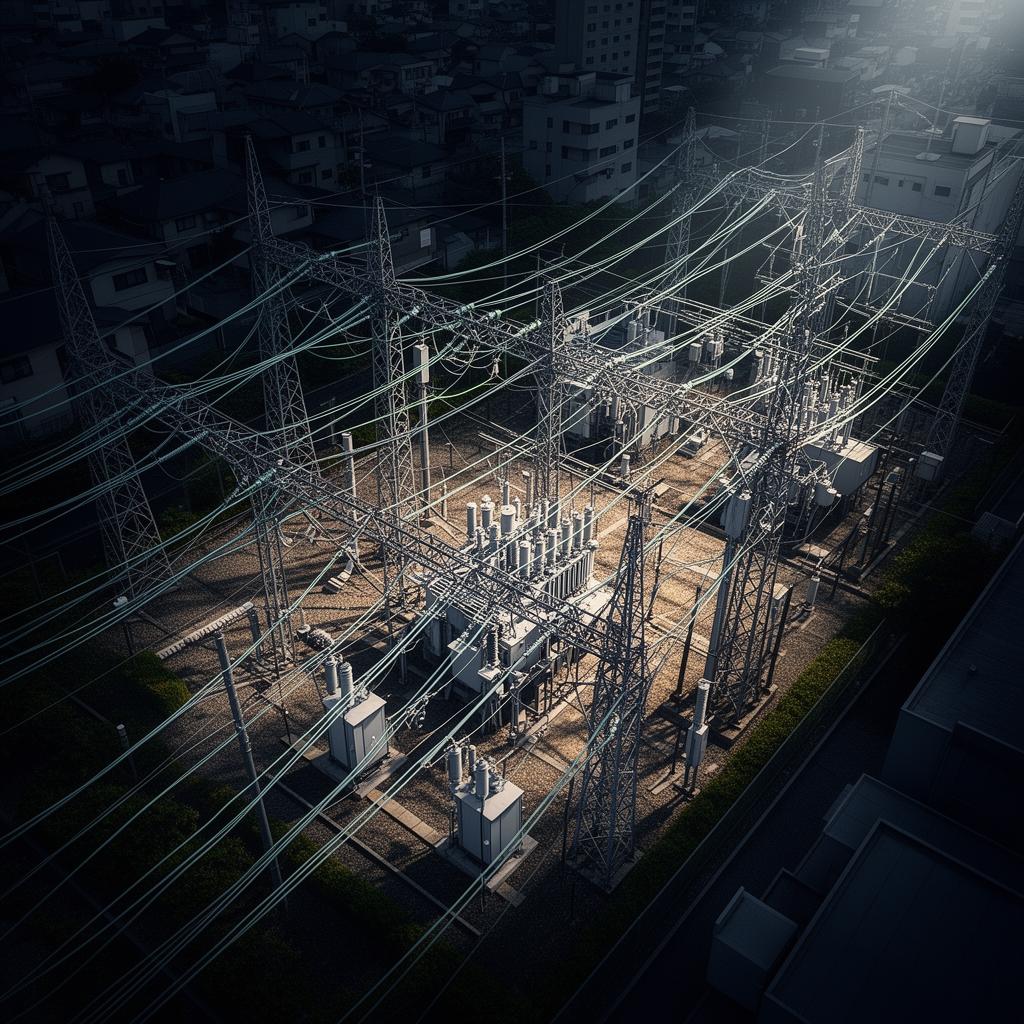
What is grid congestion?
Grid congestion, or transport scarcity (transportschaarste), occurs when the demand for electricity transport exceeds the physical capacity of the grid. Cables, transformers, and substations have maximum load limits. When too many parties need power simultaneously, the grid reaches its ceiling.
Why is it happening now?
Several trends are converging:
- Rapid electrification: Heat pumps, EV charging, and industrial processes switching from gas to electric
- Renewable growth: Solar parks and wind turbines feeding energy back into distribution grids not designed for bidirectional flow
- Economic growth: New datacenters, logistics hubs, and housing developments all need heavy connections
- Slow grid expansion: Grid reinforcement takes 10-15 years, far too slow for current demand growth
The impact
€40 billion in societal damage. Waiting lists extending to 2036+. Businesses unable to grow, build, or connect. Renewable energy being curtailed.
Solutions
From flex contracts and battery storage to microgrids and smart grid technology, there are proven approaches that work today. See our complete overview of grid congestion solutions to find the right approach for your situation.