The new Energy Act starting July 1, 2026: what does it mean for municipalities, real estate, and construction?
February 4, 2026
Why including energy early in your project is no longer a luxury, but a necessity
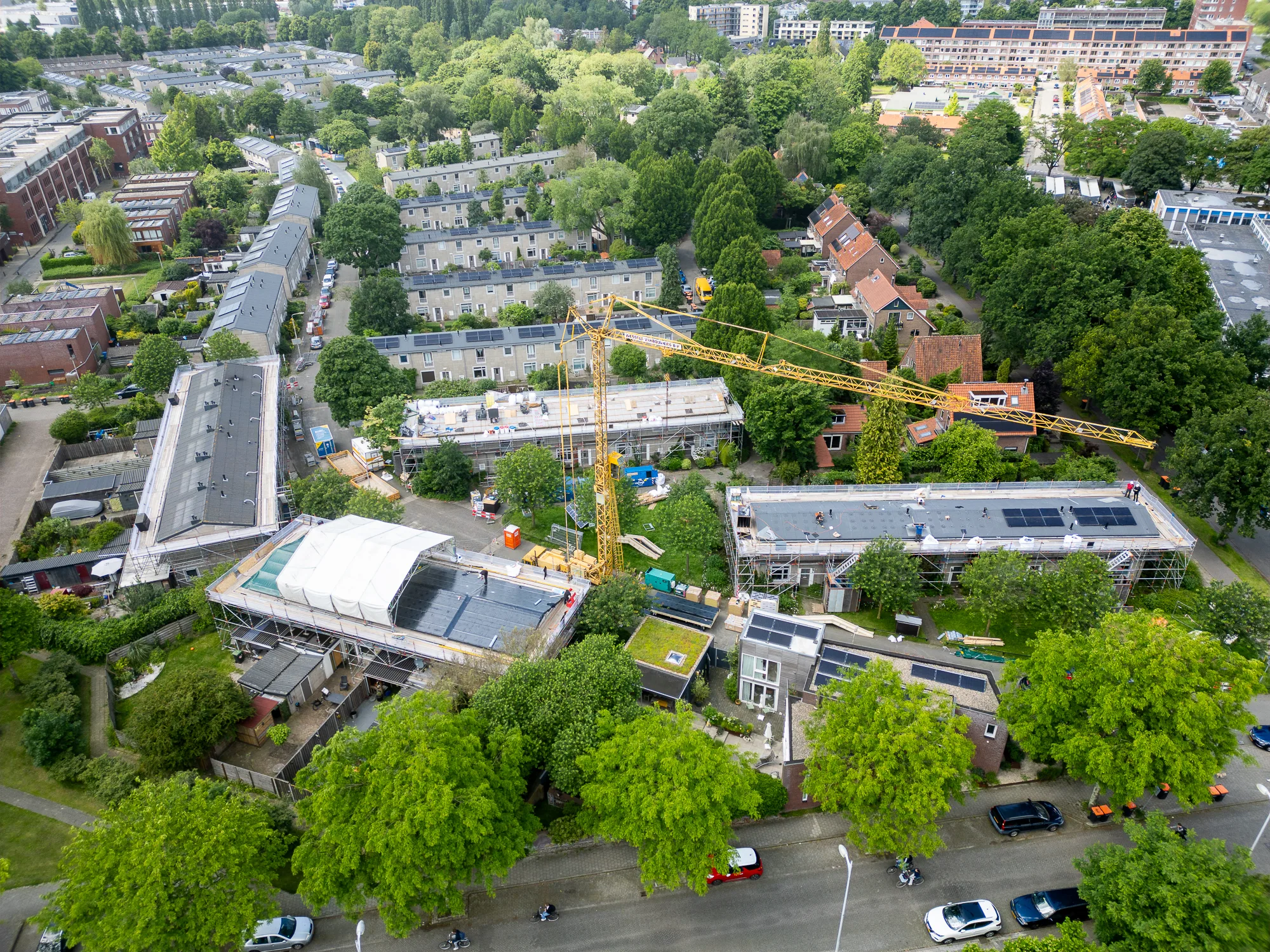
The Netherlands faces a massive challenge. Around 100,000 homes must be built each year in the coming years, and plans have even been mentioned in The Hague for multiple entirely new cities. This ambition can only succeed if one critical condition is in place: reliable and available electricity.
At the same time, an important new chapter in the energy market begins on July 1, 2026. On that date, the new Energy Act will come into force, with direct consequences for municipalities, real estate parties, and construction projects. The way grid operators prioritize new connections will fundamentally change.
In this blog, we explain in a practical and accessible way what is changing, and how you as a municipality, developer, or real estate owner can respond strategically.
What will change on July 1, 2026?
A key component of the new Energy Act concerns how grid operators assign priority to new connections and how the queue for grid capacity is managed.
The most important change
Small consumer connections will no longer receive priority. This means that:
housing projects
commercial real estate projects
area developments
municipal facilities
small-to-medium-scale connections
will no longer automatically be connected faster than larger projects.
In practice, this leads in many regions to:
longer waiting times
greater uncertainty in planning
increased risk of project delays
For municipalities and real estate parties that need to accelerate housing, infrastructure, and public facilities, this is a critical development.
At the same time: congestion-mitigating measures can help
The new law and the implementation practices of grid operators also introduce an important counterbalance:
Projects that demonstrably help relieve the grid may be connected earlier or more easily, known as 'congestion mitigating solution'.
What does this mean in concrete terms?
If a municipality or real estate party:
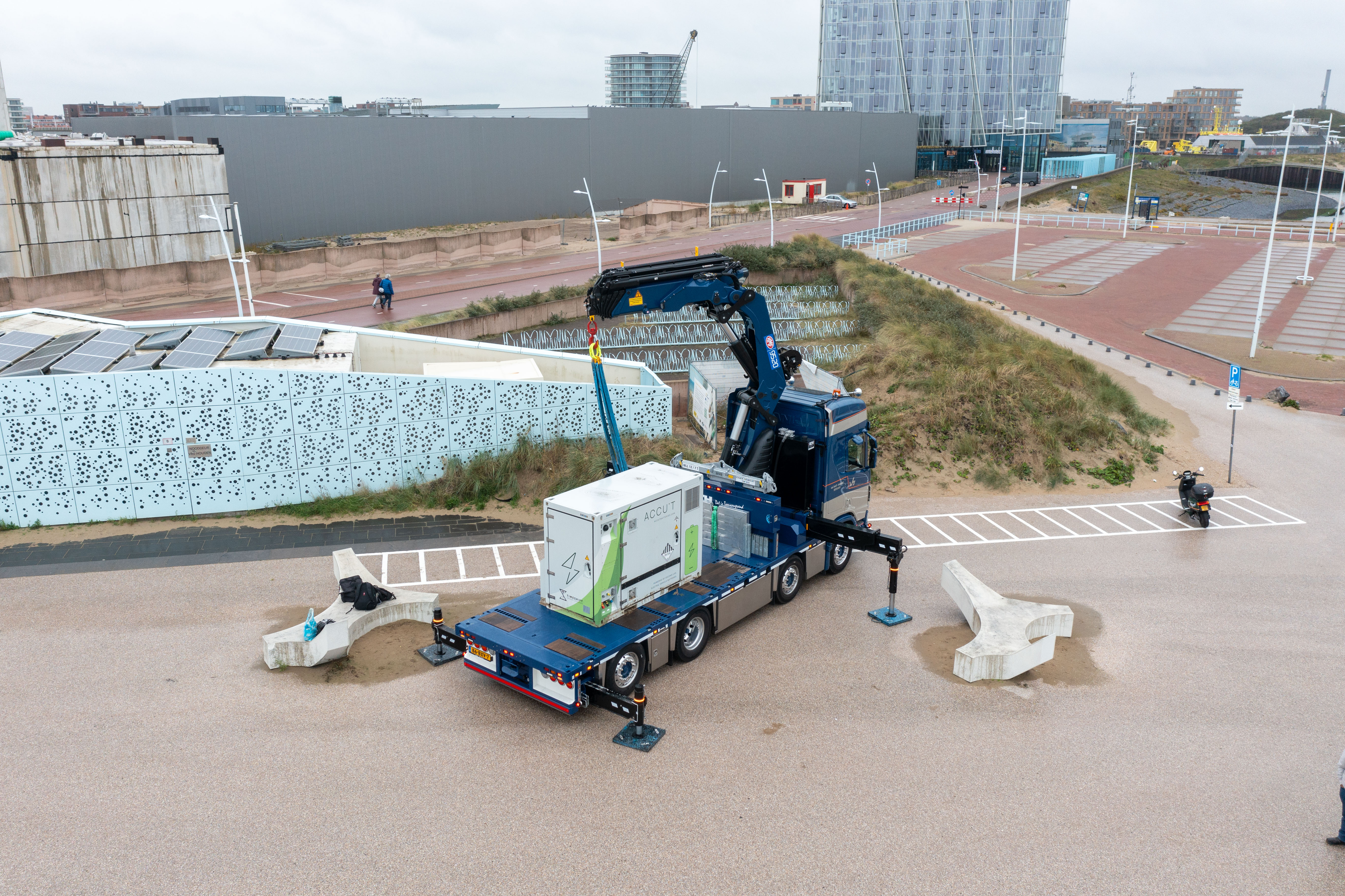
deploys a battery
or applies other flexible assets
and is willing to use the grid flexibly (for example via a flex contract or off-peak contract)
then this can:
reduce grid load
make the project more grid-friendly
and in some cases result in priority or additional connection capacity
In other words:
By building flexibility into your energy supply, you increase the likelihood that projects can be realized sooner instead of being stuck in the connection queue.
We are happy to calculate whether a congestion-mitigating measure is possible in your situation and support you in the application process with the grid operator.
Contact us here for an intake.
What does this mean for municipalities, real estate, and construction?
Energy must be part of spatial and project decision-making from the very beginning.
And now there is an additional factor:
Flexibility can make the difference between waiting and building.
Concretely, this means you must consider early in projects:
Applying for an energy connection contract with the grid operator in a timely manner
Designing grid-aware systems, with flexibility in the energy system
Including congestion-mitigating measures in the plan, such as batteries or other flexible assets
Exploring flex contracts or off-peak contracts as part of the connection strategy
Also during the construction phase, ensuring sufficient sustainable electricity supply:
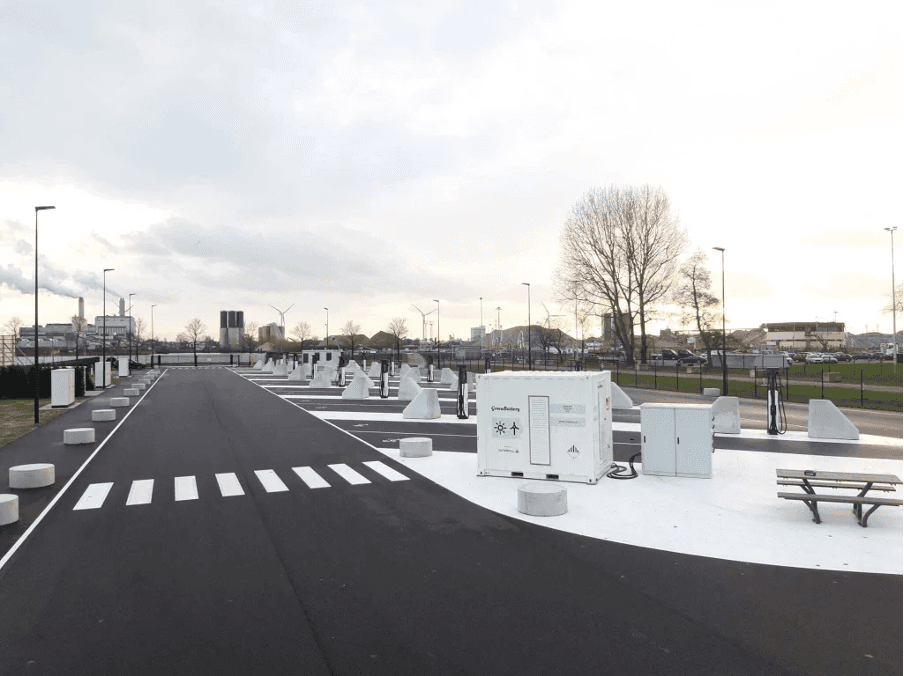
For example via a small grid connection combined with a battery
Preventing delays caused by dependence on fossil-fuel machines or generators (including nitrogen emission and permitting issues)
Energy is therefore no longer a technical detail, but a prerequisite for speed, feasibility, and administrative viability.
Energy during the construction phase: an underestimated bottleneck
A growing problem is the energy supply during construction.
Without proper preparation, risks arise such as:
connections that are too small or delivered too late
dependence on diesel generators
nitrogen restrictions and permitting procedures
delays due to insufficient available capacity
Increasingly, we see solutions such as:
a small grid connection combined with a battery
temporary hybrid or fully electric construction power
scalable systems that grow with the project’s phases
Here too, flexibility mitigates congestion and increases the likelihood that projects can proceed without interruption. We can calculate and simulate the energy demand of your construction site, allowing the right system to be procured via the Skoon Community.
Contact us here for an intake.
Or start your application here!
Why flexibility is becoming increasingly important
More and more projects face:
limited connection capacity
temporary restrictions
flex or non-firm contracts
In this context, flexibility becomes essential:
batteries as buffers
local generation (e.g. rooftop solar or area-level solar)
smart control of consumption and peak loads
Not to develop energy projects themselves, but to:
enable housing and infrastructure development
reduce project risks
maintain realistic and executable planning
From ad-hoc to structural: a new approach to energy in area development
The new Energy Act forces municipalities and real estate parties to:
integrate energy earlier in planning processes
treat flexibility as a prerequisite for project realization
become less dependent on a single fixed connection scenario
work more with phasing, buffers, and smart contract structures
This does not require energy specialists in every team, but it does require:
insight into energy demand and risks
visibility into available flexibility solutions
realistic decision-making based on planning and feasibility
Through a Flex Scan and our Skoon Community, we help you quickly and transparently select the right flexibility asset. Start your request here.. Start your request here.
In conclusion
The Netherlands wants to build. Build a lot. Build fast.
But without a smarter approach to energy, this ambition will become increasingly difficult to realize.
Due to:
the new Energy Act starting July 1, 2026
changed prioritization by grid operators
and the importance of congestion-mitigating measures
Energy is becoming a decisive factor in spatial development.
Not by creating energy projects themselves, but by:
building in flexibility
increasing connection opportunities
and keeping projects executable
This ensures that energy remains what it should be:
an enabler of housing and area development, not a bottleneck.